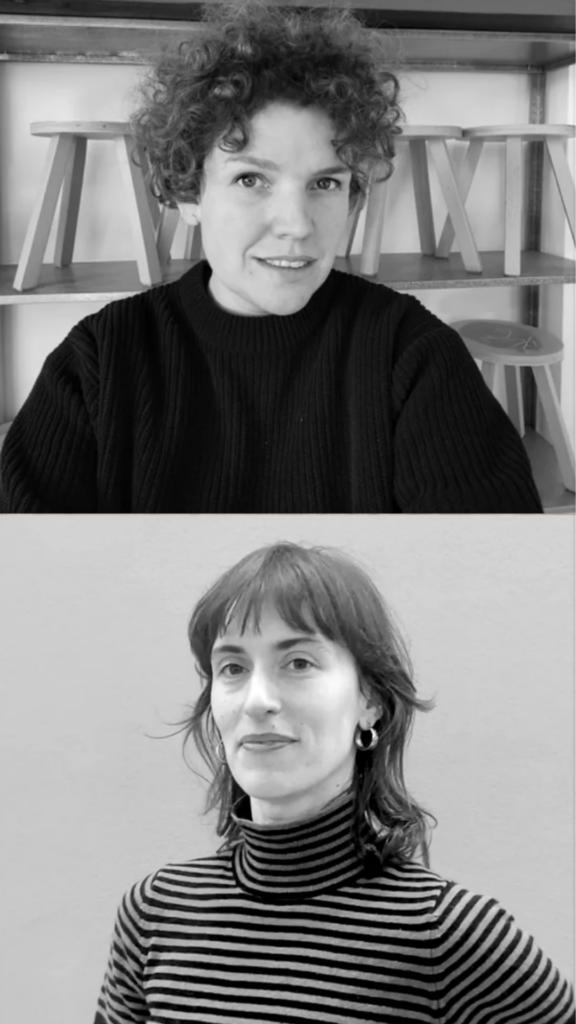
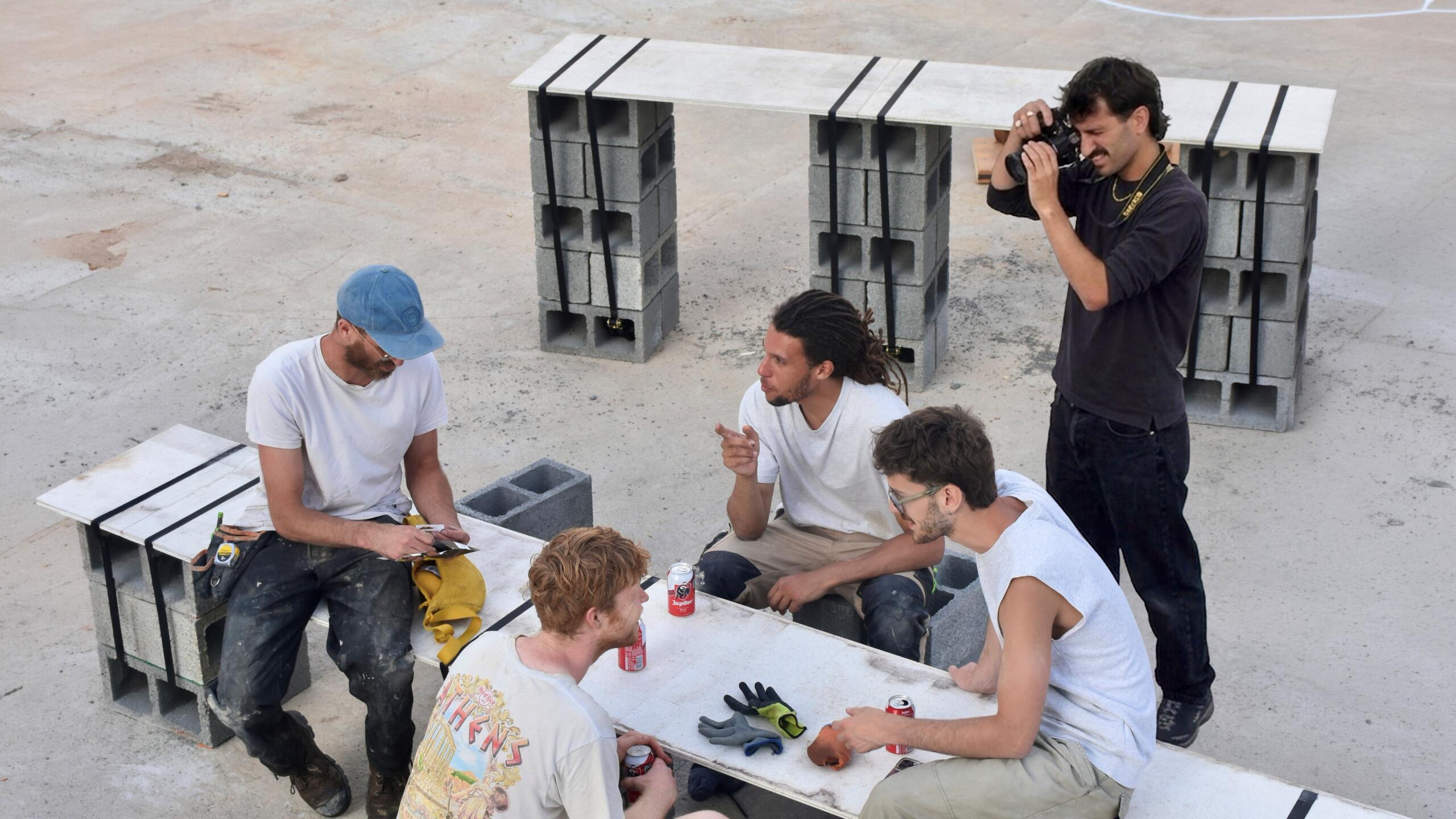
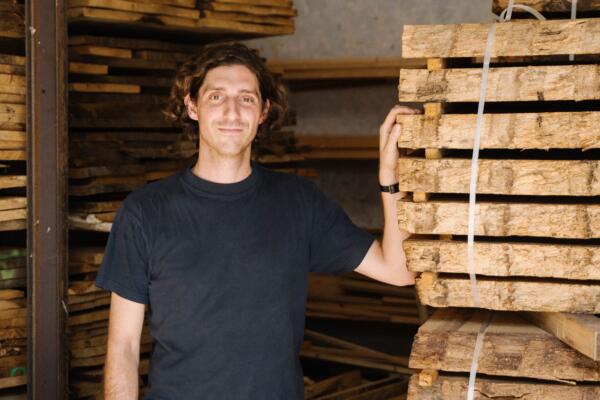
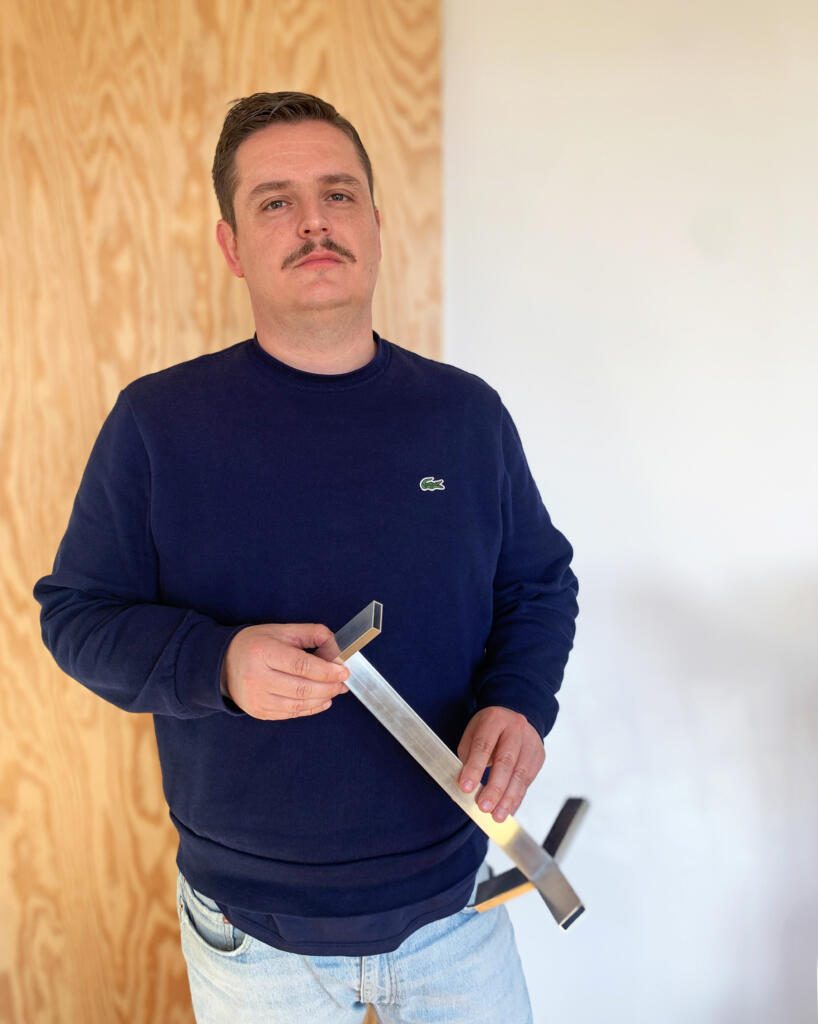
9 companies will present their designs at Milan Design Week.

hub.brussels is putting Belgian design in the spotlight at Milan Design Week by organising an exclusive exhibition dedicated to 9 Brussels-based designer-entrepreneurs at Brussels House, from 20 to 26 April 2026. Discover their approaches and designs!

Aria Ann Design

Aria Ann Design is a Brussels-based architecture and design studio working at the intersection of space, object and material. Its practice is built on a precise dialogue between use, perception and materiality, with a strong focus on colour and texture.

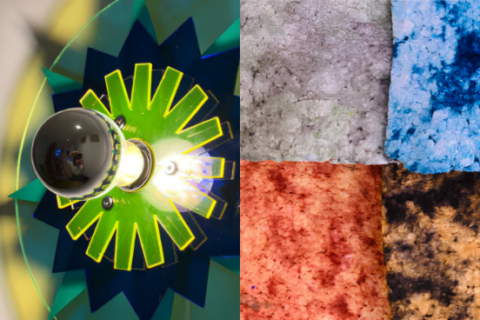
For Milan Design Week, the studio presents projects developed through its research into recycled and bio-based materials, including Mineral Waste Paper. This material transforms recycled paper into mineral-like surfaces, evoking stone or clay while remaining lightweight and adaptable.

The resulting objects and surfaces range from lighting to acoustic elements, creating immersive and sensory environments. Each piece highlights a rich tactile and visual quality, enhanced by the use of natural pigments and crafted processes.

The studio’s approach is rooted in circular design principles, valorising existing resources and developing responsible, scalable production methods.

Through this work, Aria Ann Design proposes an experimental and committed vision of design, where material, colour and light redefine contemporary environments.

PO.YA

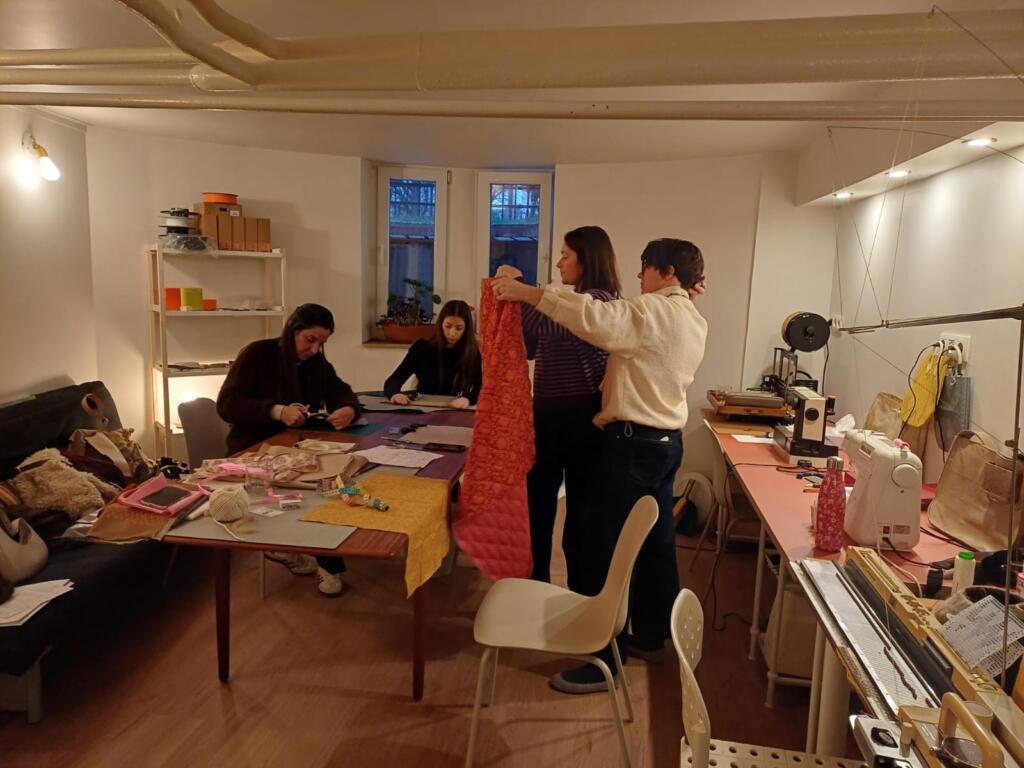
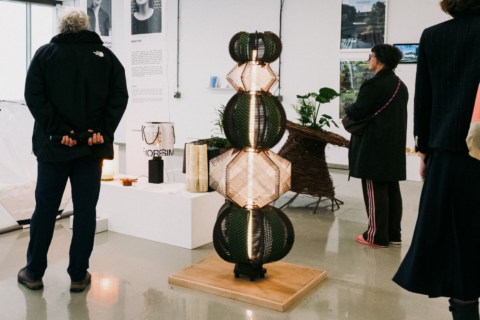
PO.YA is a lighting collection born from the collaboration between Aria Ann Design and Atelier Popi, bringing together design, digital fabrication and artisanal sensibility. The project explores light as a material in its own right, through an approach where colour, transparency and layering become creative tools.

Presented at Milan Design Week, the collection consists of three lamps, each expressing its own chromatic energy. The shapes, made from recycled plexiglass, are layered to allow light to circulate, transform and create effects of reflection, shadow and colour variation.

Beyond the object itself, PO.YA functions as an open system. Each combination of shapes and colours generates new configurations, offering a high degree of flexibility and reinterpretation.

The project highlights local production in Brussels, in collaboration with workshops and fablabs, promoting short supply chains, craftsmanship and recycled materials.

Through this approach, PO.YA proposes a vision of design as a sensory and evolving experience, where light becomes a graphic and spatial language.
alter

alter is a collective of architects exploring design through reuse and direct fabrication.

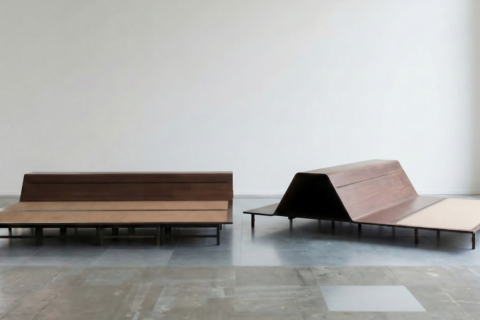
The Bank DayBed project is created using materials recovered from a former Brussels bank.

The elements are transformed without altering their integrity, following a reversible approach.

The piece of furniture invites new, more open and collective uses.

The project questions the codes of modernism and their contemporary reinterpretation.

alter advocates an experimental, collaborative and grounded practice.

GDO Project

GDO Project is a Belgian studio that places material at the heart of the creative process.

Each project originates from the story of the material, transformed into a functional object.

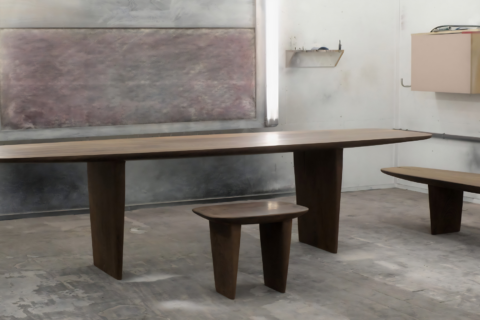
In Milan, the studio presents a furniture collection in locally sourced oak and walnut.

Each piece, handcrafted, is unique and signed.

The project highlights local resources and short supply chains.

It proposes a vision of furniture as a durable work, rooted in its territory.

Grammar furniture

Grammar furniture develops a design approach based on modularity and constructive logic. The studio conceives each object as an open system, where elements are assembled according to a true formal “grammar”.

The project presented at Milan Design Week highlights this vision through furniture pieces designed to be assembled, disassembled and transformed over time. The construction is not concealed, it becomes a central element of the aesthetic language.

This approach enables a high degree of flexibility in use, with objects adapting to needs rather than remaining fixed in a single form. Each piece can evolve, be repaired or reconfigured.

By favouring simple and durable systems, Grammar furniture offers an alternative to traditional production models. The project is part of a contemporary reflection on longevity, adaptability and resource efficiency.

Through this work, the studio puts forward a vision of design as an evolving process, where functionality, structure and aesthetics continuously interact.

Studio Lisa Smith

Studio Lisa Smith, founded in 2020, is the independent design practice of Lisa Smith. Together with her network of collaborators, she focuses on the design of products, graphics, packaging, accessories, clothing and medical devices distinguished by outstanding aesthetics, use of colour and attention to detail.

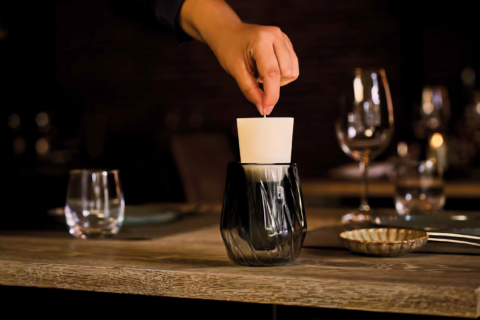
With CleanLight, she introduces a rechargeable candle system developed in collaboration with Bolsius. The design of the container and refill ensures complete wax combustion. The double glass wall enhances fragrance diffusion, optimising the sensory experience.

The project follows a circular approach: no wax residue, a container that can be reused indefinitely, and packaging-free production for the refills.

CleanLight redefines the standards of the scented candle market by combining performance, sustainability and ease of use.

Manon Viratelle

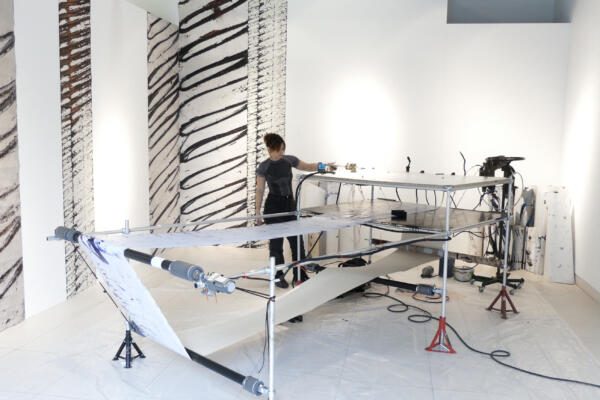
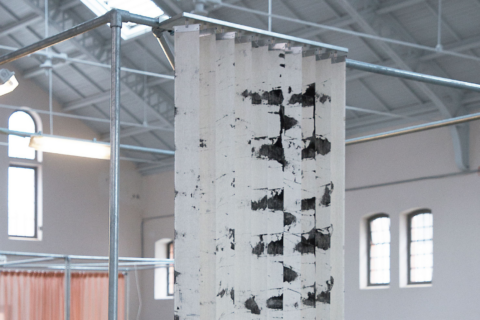
Manon Viratelle develops an experimental practice centred on the reuse of wallpaper waste from the Belgian industry.

Using a tool she designed, the “bloc-traceur”, she creates unique patterns from recovered materials.

Her project presented in Milan explores these surfaces through objects and architectural elements such as the Pare-Soleil series.

Each piece is both reproducible and unique, balancing chance and control.

Her approach follows a zero-waste logic, highlighting existing materials and local collaborations.

She thus proposes a new production model, at the intersection of design, craftsmanship and experimentation.

Mavito

Marta Villaverde Torrente is an architect and product designer, and founder of a studio that brings together digital fabrication and artisanal craftsmanship. Her practice is rooted in a thoughtful, low-impact approach, with a strong focus on the use of recycled materials.

The Petal lamp embodies this vision: a system driven by choice. Its modular structure allows for transformation, repair and evolution over time, adapting seamlessly to different spaces and uses. Interchangeable paper elements enhance its versatility, making it possible to tailor the piece to each identity, from handmade papers to innovative biomaterials.

Designed with sustainability in mind, the system optimises 3D printing processes, reducing production time while using resources responsibly. The precision of digital fabrication meets the sensory quality of paper, striking a balance between innovation and materiality.

With a background in interior architecture and scenography, MAVITO approaches design as a spatial experience. More than a lighting brand, it is a studio dedicated to creating immersive environments with meaning.

Emaillerie Belge

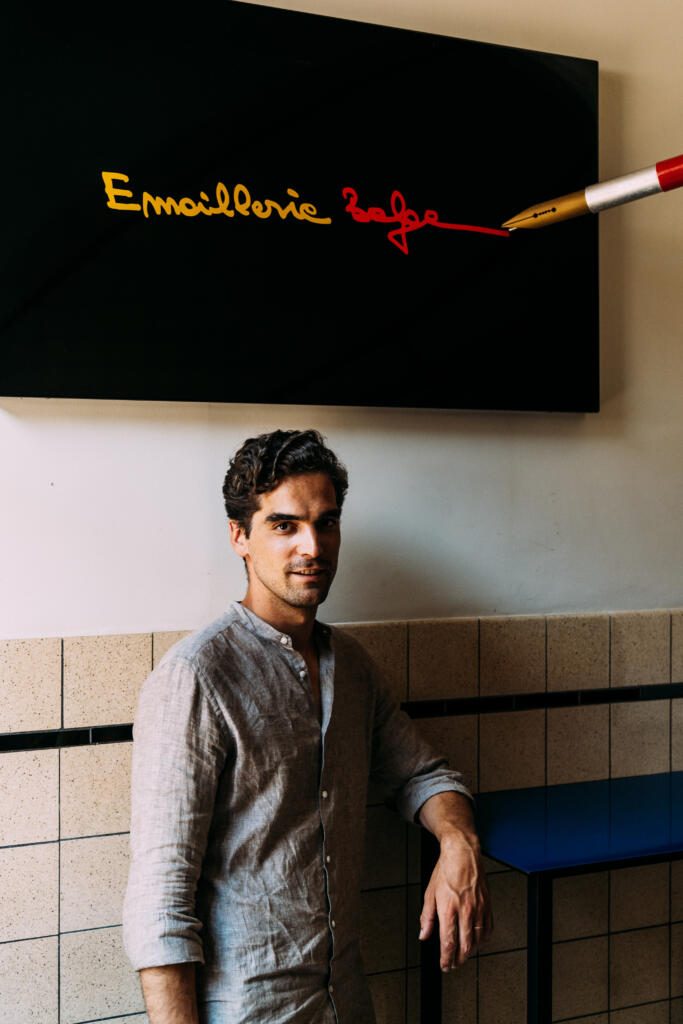
Emaillerie Belge is a Belgian manufacturer specialising in vitreous enamel on steel, renowned for its industrial expertise and attention to detail. For over a century, the company has been producing durable objects locally for cities, brands and institutions.

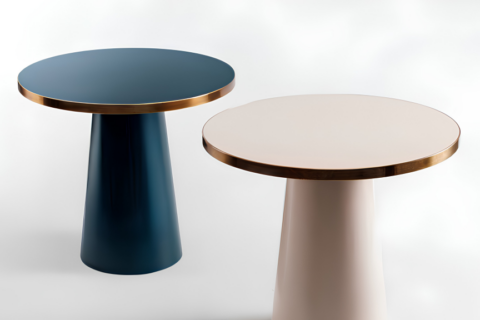
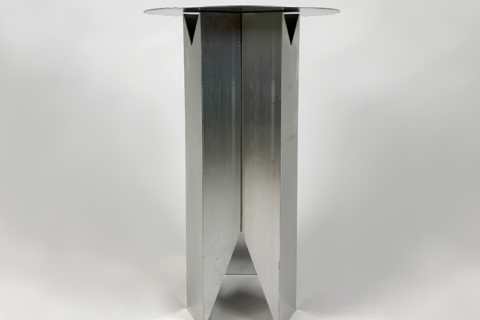
With Bistro Belge, it brings this traditional material into contemporary furniture design. The table stands out with its fully enamelled conical base, a technical achievement that pushes the boundaries of enamelling.

The project highlights the intrinsic qualities of enamel: durability, hygiene and visual richness. Each piece remains unique while being industrially reproducible.

Designed to last, the table follows a circular approach: recyclable materials, disassemblability and local production in limited series.

With this first collection, Emaillerie Belge affirms its ambition to make its expertise visible and to reintroduce enamel into contemporary uses.

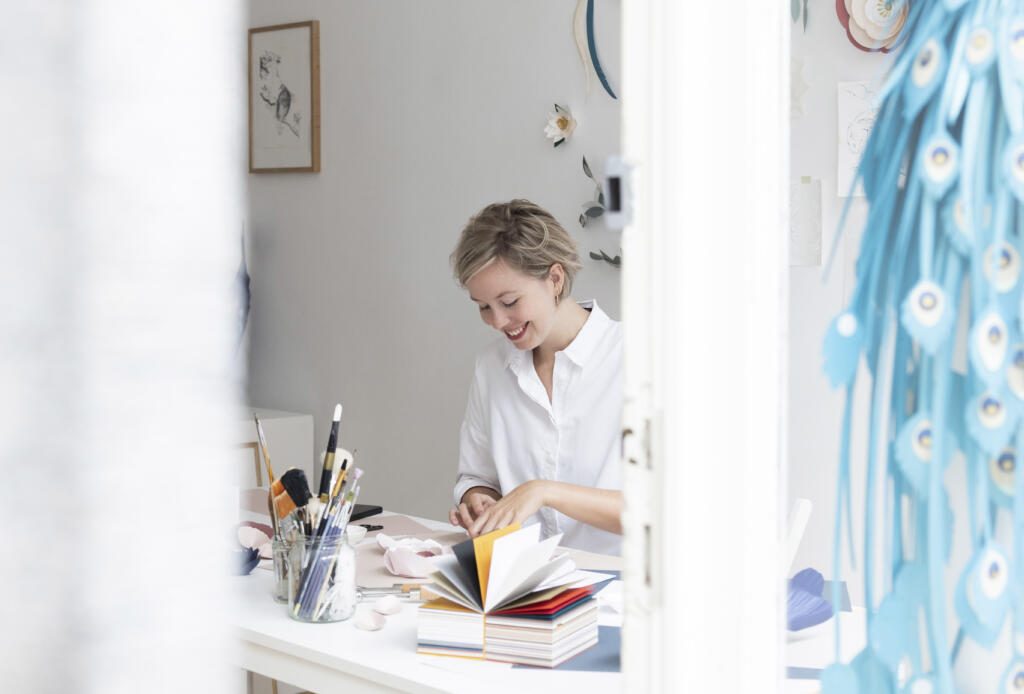
Margaux Baert, Paper Art & Craft Design Studio

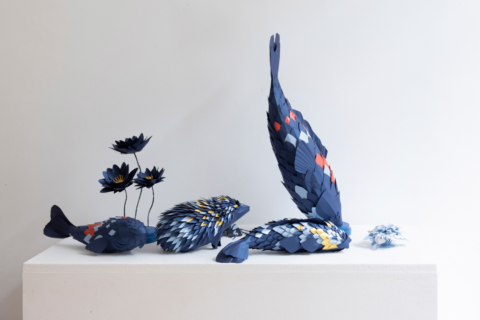
Margaux Baert is a Brussels-based artist and designer specialising in paper sculpture.

Her work explores volume, texture and colour through bespoke creations.

For Milan, she presents an immersive installation of sculptures inspired by the organic world.

Forms that lie between plant and animal invite contemplation and imagination.

Paper becomes a structural material here, carefully crafted to achieve both strength and lightness.

The project highlights artisanal expertise, with a focus on sustainability and local production.